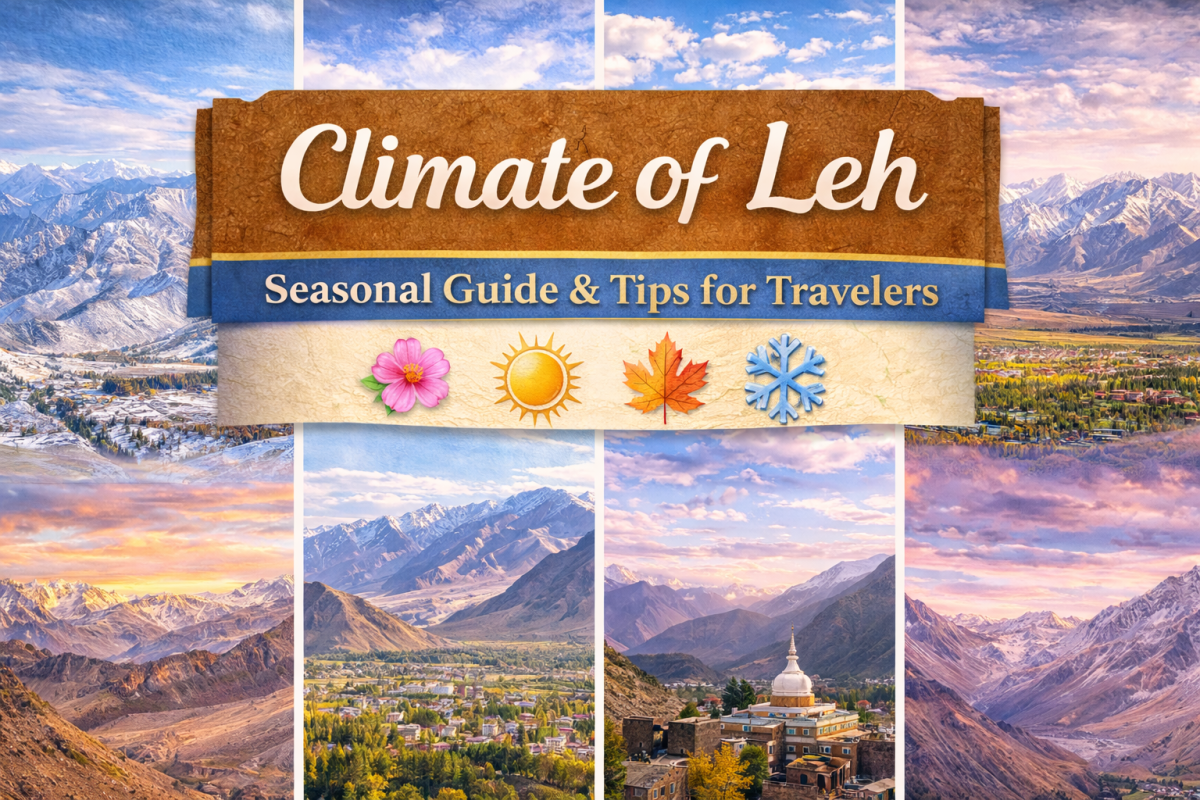
Leh, the capital of Ladakh, is located at an altitude of about 3,500 meters (11,500 feet) above sea level in the Himalayas. Because of its high elevation and cold desert environment, Leh experiences extreme temperature variations throughout the year.
🌞 Summer (May to September): Pleasant but Cool
- Day Temperature: 15°C to 25°C
- Night Temperature: 5°C to 10°C
Summer is the most comfortable season in Leh. Days are sunny and mild, while nights remain cool. This is the best time for tourists, as roads are open and weather conditions are favorable.
Key Features:
- Clear blue skies
- Low humidity
- Ideal for sightseeing and trekking
🍂 Autumn (October to November): Cold Sets In
- Day Temperature: 10°C to 15°C
- Night Temperature: 0°C to -5°C
During autumn, temperatures begin to drop rapidly. Nights become freezing, and snowfall may start in higher regions.
Key Features:
- Fewer tourists
- Beautiful golden landscapes
- Early signs of winter
❄️ Winter (December to February): Extremely Cold
- Day Temperature: -5°C to 5°C
- Night Temperature: -15°C to -25°C (or lower)
Winters in Leh are harsh and severe. Heavy snowfall and icy winds make life challenging. Many roads remain closed, and tourism is limited.
Key Features:
- Frozen rivers and lakes
- Snow-covered mountains
- Famous Chadar Trek season
🌸 Spring (March to April): Slow Transition
- Day Temperature: 8°C to 15°C
- Night Temperature: -2°C to 5°C
Spring marks the gradual end of winter. Snow starts melting, and temperatures slowly rise, but cold nights continue.
Key Features:
- Melting snow
- Opening of travel routes
- Fresh mountain air
🌡️ Why Leh Has Extreme Temperatures
Leh’s climate is influenced by several natural factors:
- High Altitude: Thin air cannot retain heat well
- Low Rainfall: Less cloud cover leads to hotter days and colder nights
- Mountain Barrier: The Himalayas block monsoon winds
- Desert Climate: Dry conditions increase temperature variation
These factors cause large differences between day and night temperatures, even in summer.
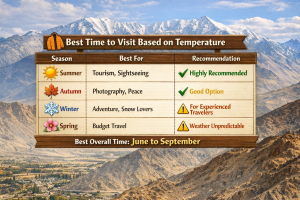
🧥 Best Time to Visit Based on Temperature
👉 Best Overall Time: June to September
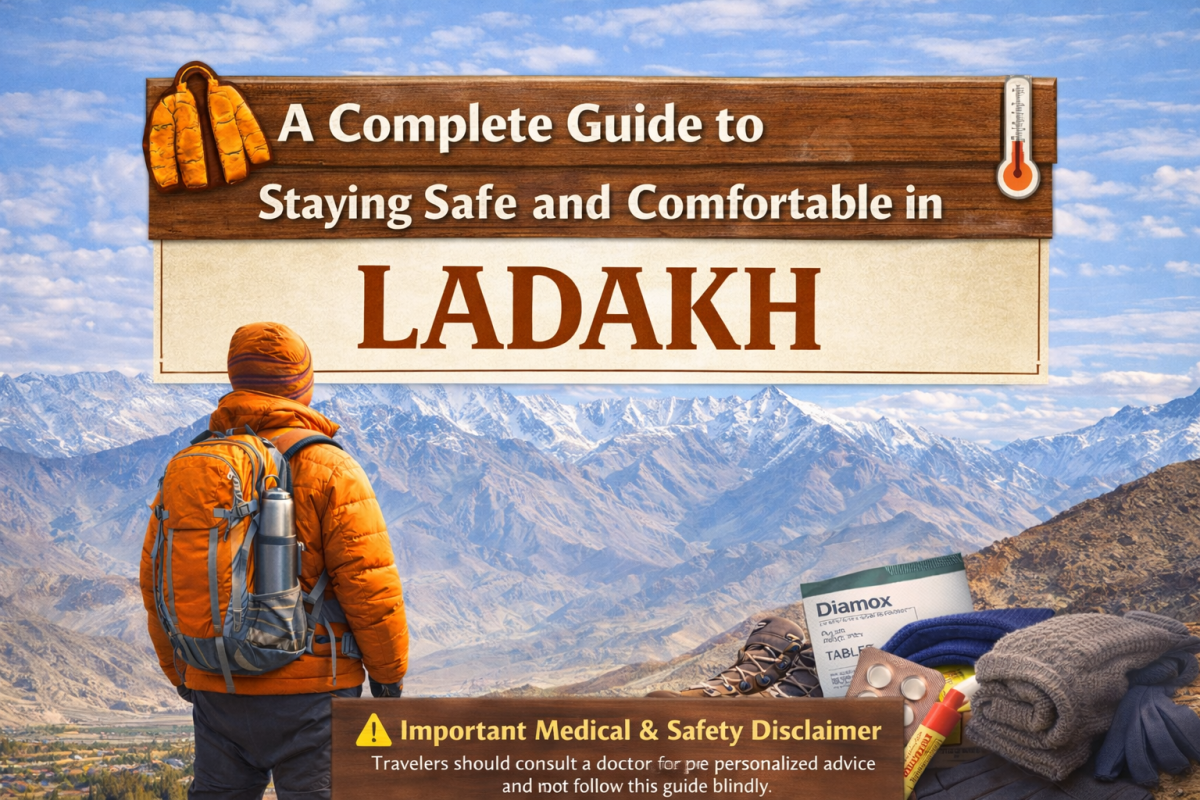
🧳 Travel Tips for Dealing with Leh’s Temperature
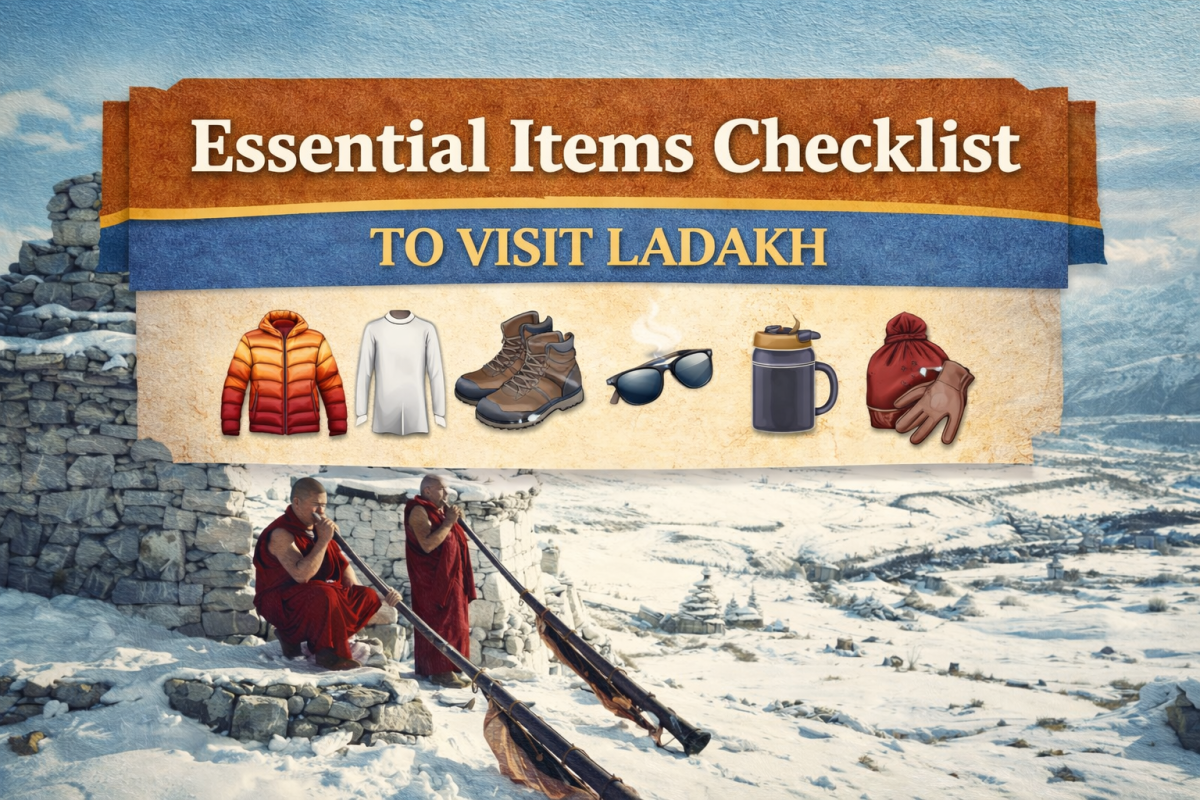
- Carry layered clothing (thermal wear, jackets, gloves)
- Use sunscreen and sunglasses (strong UV rays)
- Drink plenty of water to avoid dehydration
- Avoid heavy activity on the first day (for acclimatization)
📌 Conclusion
Leh experiences cool summers and extremely cold winters, making it one of India’s most unique climatic regions. While summer offers pleasant weather for travelers, winter showcases the raw beauty and harshness of the Himalayas. Understanding Leh’s temperature patterns helps visitors plan a safe and enjoyable journey.
Article by Joshna Sharon Johnson